
Behaviors in Clinical Practice: Assessment and Treatment Tools
Behaviors, broadly defined as the observable and measurable actions a patient enacts in response to internal states or external stimuli, sit at the intersection of every major psychotherapeutic model, from behavioral activation in CBT to committed action in ACT and exposure hierarchies in transdiagnostic protocols. This category brings together printable worksheets, psychoeducation sheets, and structured exercises designed specifically for clinicians working with behavioral patterns across a wide diagnostic spectrum. Whether you are assessing avoidance, restructuring maladaptive coping repertoires, or targeting eating-related behaviors, the resources here support each stage of the clinical process. The page below orients you to the conceptual scaffolding and guides you toward the tools most relevant to your caseload.

Why Behavior Remains Central Across Orientations
Regardless of theoretical allegiance, virtually every evidence-based treatment targets behavior change at some level. Cognitive models treat dysfunctional behaviors as downstream consequences of distorted appraisals; acceptance-based models view them as experiential avoidance; behavioral models address them directly through reinforcement contingencies and exposure. This convergence means that a clinician's capacity to identify, operationalize, and track specific behaviors is foundational, not orientation-dependent.
The clinical utility of focusing on behavior lies partly in its measurability. Unlike affect or cognition, behaviors can be counted, timed, and charted, which makes them ideal anchors for treatment goals and outcome monitoring. When a patient reports feeling "better" but continues to restrict intake, avoid social situations, or engage in compulsive checking, behavioral data provides the clearer clinical signal.
From Complaint to Behavioral Formulation
A presenting complaint rarely arrives as a clean behavioral description. Translating "I feel stuck" or "I can't stop eating" into a functional behavioral formulation requires systematic inquiry: antecedents, the behavior itself, consequences (immediate and delayed), and the maintaining variables. This translation is the first clinical task, and several of the resources grouped in this category are designed to support it directly in session.
Identifying Maladaptive Behavioral Patterns in Consultation
Avoidance, Escape, and Safety Behaviors
Avoidance behaviors are among the most clinically prevalent and most easily overlooked. Patients often present them as sensible precautions rather than as maintaining factors for anxiety, low mood, or disordered eating. Safety behaviors (carrying medication "just in case", eating only in specific contexts, checking for reassurance) deserve the same clinical attention because they prevent disconfirmation of the patient's threat appraisals.
When mapping a patient's coping repertoire, the distinction between adaptive and maladaptive coping strategies is diagnostically informative. The Adaptive vs Maladaptive Coping: PDF Worksheet, Tools and Exercises provides a structured framework for this differentiation in session, helping patients and clinicians jointly examine which strategies reduce distress sustainably and which maintain the problem cycle.
Cognitive Behavioral Patterns That Drive Behavior
Behavior does not occur in a vacuum. Cognitive distortions such as all-or-nothing thinking create rigid behavioral tendencies: the patient who eats "perfectly" or abandons all dietary intentions, the adolescent who studies obsessively or stops entirely. The All-or-Nothing Thinking: PDF Worksheet, Tools and Exercises for Clinical Practice is particularly useful here, offering a concrete tool to map the binary appraisals that lock patients into extreme behavioral patterns.
In schema-informed work, recognizing the modes of thinking that precede and sustain maladaptive behavior adds another layer of formulation depth. The 12 ACT Schemas and Modes of Thinking: PDF Worksheet, Tools and Exercises bridges acceptance-based and schema conceptualizations, helping clinicians and patients identify the psychological rigidity underlying behavioral inflexibility.
Coping Behaviors Across the Lifespan
Developmental Considerations in Pediatric and Adolescent Populations
Coping behaviors in children and adolescents are shaped by developmental stage, attachment patterns, and the regulatory resources available at a given age. A 9-year-old and a 16-year-old may both present with avoidance, but the behavioral topography, the maintaining variables, and the intervention levers differ substantially. Clinicians working with younger populations need developmentally calibrated tools.
The 50 Coping Strategies for Children and Adolescents: PDF Worksheet, Tools and Exercises addresses this need directly. It covers a broad range of adaptive strategies organized by regulatory domain, making it suitable both for psychoeducation and for collaboratively building a personalized coping toolkit with a young patient or their caregivers.
Building a Coping Repertoire in Adults
In adult work, the goal shifts slightly: rather than introducing coping concepts for the first time, clinicians often need to broaden an impoverished repertoire or displace entrenched maladaptive strategies. A patient who relies exclusively on emotional suppression or substance use to regulate distress has not failed at coping; they have a narrow and costly repertoire. Expanding that repertoire is a behavioral intervention in its own right.
> Clinical vignette: A 34-year-old patient with recurrent depressive episodes described her only coping strategy as "waiting it out". Mapping her behavioral responses to low mood with the Adaptive vs Maladaptive Coping: PDF Worksheet, Tools and Exercises revealed several approach-avoidance conflicts she had not previously articulated. This became the entry point for behavioral activation planning in subsequent sessions.
Eating-Related Behaviors: Clinical Recognition and Structured Intervention
Assessing Restrictive and Compensatory Behaviors
Eating-related behaviors represent one of the most clinically complex behavioral domains, combining physiological, cognitive, emotional, and interpersonal maintaining factors. Restrictive intake, binge eating, purging, excessive exercise, and ritualized eating patterns all require careful behavioral mapping before intervention can be meaningfully structured.
Early and accurate recognition of anorexia nervosa depends in part on behavioral markers that precede significant medical compromise: food avoidance rituals, progressive dietary restriction, hyperactivity despite low weight, and social withdrawal around meals. The Anorexia: PDF Worksheet, Tools and Exercises for Clinical Practice supports systematic clinical screening and can anchor the psychoeducational phase of treatment for patients and, where appropriate, families.
CBT-Based Behavioral Targets in Bulimia
The CBT model of bulimia nervosa is one of the most empirically supported treatment frameworks in clinical psychology. Its behavioral components include self-monitoring of binge-purge cycles, structured eating plans to reduce dietary chaos, and the progressive reduction of compensatory behaviors. Translating this model into session-ready material is central to treatment fidelity.
The CBT Model of Bulimia Nervosa: PDF Worksheet, Tools and Exercises gives clinicians a structured, printable support for conveying the cognitive-behavioral maintenance cycle to patients, mapping triggers, and setting concrete behavioral targets collaboratively. It is designed to complement, not replace, clinical judgment in the formulation phase.
Integrating Behavioral Resources into the Care Plan
Sequencing Tools Across Treatment Phases
Behavioral worksheets and exercises serve different functions depending on where the patient is in treatment. In the assessment and formulation phase, tools that map coping patterns, cognitive modes, or behavioral symptoms provide structure for clinical conversations. In the active intervention phase, they become between-session tasks that extend therapeutic work into the patient's daily environment. In relapse prevention, they serve as reference documents the patient can return to independently.
A suggested sequencing for a CBT-oriented behavioral intervention might look like this:
- Behavioral assessment: Identify the target behaviors and their antecedents and consequences using a functional analysis format.
- Psychoeducation: Introduce the relevant model (e.g., the cognitive-behavioral maintenance cycle for bulimia, or the adaptive/maladaptive coping distinction).
- Skill building: Introduce and practice new behavioral strategies in session (for example, expanding the coping repertoire in younger patients).
- Between-session application: Assign a relevant worksheet as a structured home task, reviewed at the next appointment.
- Consolidation and generalization: Use completed worksheets to identify patterns, reinforce gains, and anticipate high-risk behavioral contexts.
Adapting Tools for Individual Formulation
No printable resource is a one-size tool. The clinical value of these materials depends on how they are embedded in a formulation that makes sense to the individual patient. A worksheet used without contextualization risks being experienced as a generic checklist rather than a personalized intervention. Briefly walking the patient through the tool in session before assigning it between sessions substantially increases completion rates and clinical relevance.
Comorbidities, Differential Diagnosis, and Behavioral Overlap
When Behaviors Straddle Diagnostic Boundaries
Many behavioral presentations cut across diagnostic categories. Restrictive eating appears in anorexia nervosa but also in OCD (contamination-driven), ARFID, depression, and somatic symptom disorder. Avoidance behaviors are transdiagnostic by definition. Clinicians should resist premature diagnostic closure based on a behavioral cluster alone; the maintaining variables, the patient's relationship to the behavior, and the broader context are what differentiate presentations.
Comorbidity is the rule rather than the exception in behavioral presentations. Eating disorders frequently co-occur with mood disorders, anxiety disorders, and substance use. The behavioral targets in treatment need to be prioritized accordingly, addressing medical risk first, then the most functionally impairing behavioral pattern.
Key Differential Considerations
Several distinctions are particularly relevant when working across this category:
- Compulsive versus impulsive behavioral patterns: compulsive behaviors are driven by anxiety reduction; impulsive ones by immediate reward or dysregulation. The intervention logic differs.
- Primary versus secondary avoidance: avoidance secondary to psychotic experience requires a different treatment approach than anxiety-driven avoidance.
- Cultural and contextual factors: some behaviors that appear dysfunctional in a clinical frame may be culturally normative or situationally adaptive. This requires careful clinical humility before labeling.
Points of Vigilance and Clinical Limits
Risk Embedded in Behavioral Presentations
Behavioral categories can obscure medical and safety risk if the clinician focuses exclusively on the functional or psychological dimension. Restrictive eating behaviors, excessive exercise, and purging carry direct physiological consequences that require liaison with medical colleagues. Self-injurious behaviors require immediate risk assessment regardless of their function in the patient's regulatory economy.
Printable resources in this category are clinical support tools, not standalone interventions. They do not substitute for a complete psychiatric history, a risk assessment, or a structured diagnostic evaluation. Used within a competent formulation-driven framework, they add genuine clinical value; used as shortcuts, they risk producing a false sense of therapeutic action.
Limits of Behavioral Framing Alone
A purely behavioral formulation can underweight the patient's phenomenological experience, relational history, and neurobiological substrates. Integrating behavioral tools with attachment-informed, trauma-informed, or neuropsychologically sensitive frameworks produces richer formulations and more durable treatment outcomes. The resources grouped in this category are designed to complement that integrative clinical work.
Tools in this category
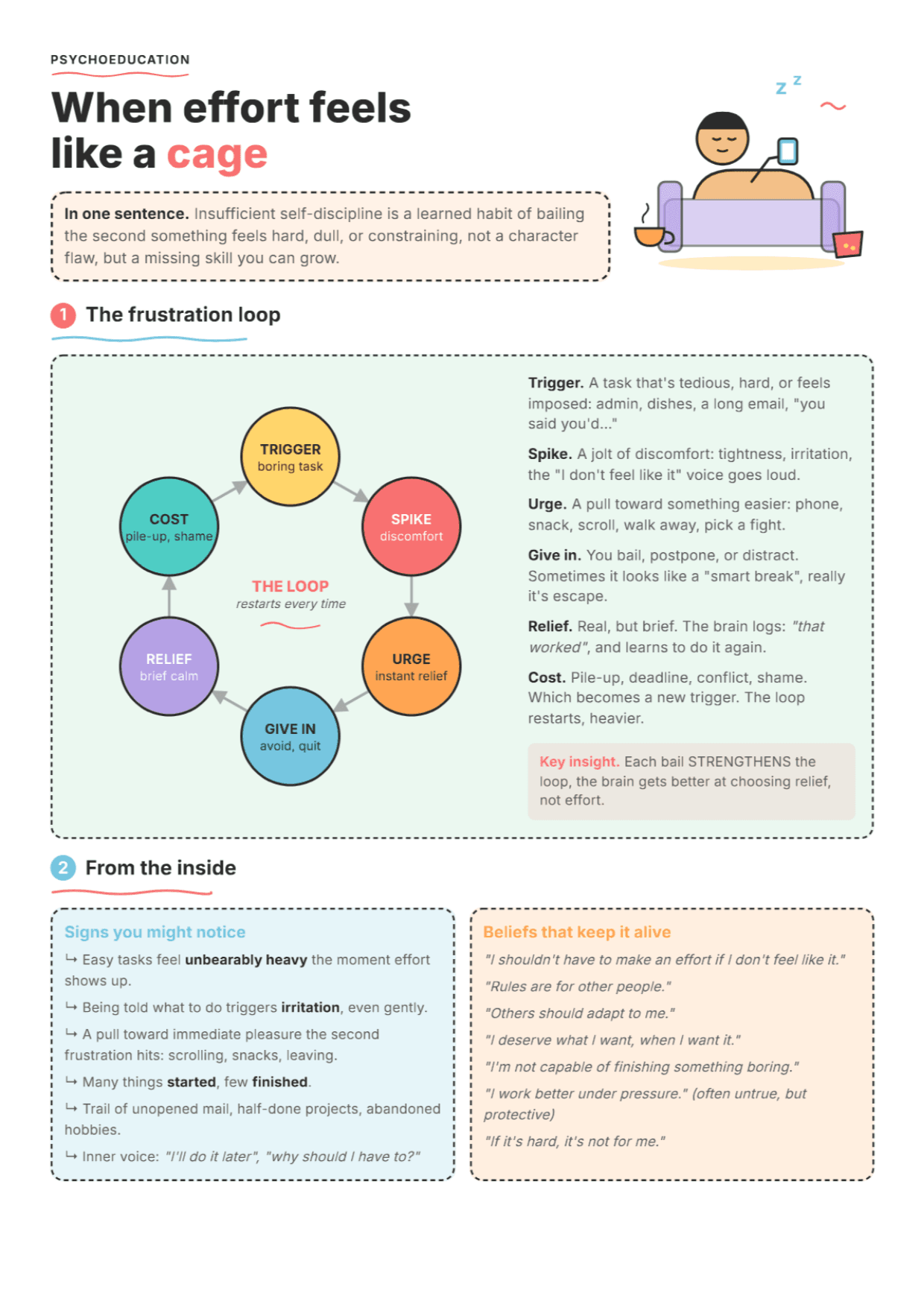
Handout
Insufficient Self-Control Schema: PDF Worksheet, Tools and Exercises
A printable PDF worksheet, clinical tools, and practical exercises to explain the insufficient self-control schema clearly and efficiently in therapy sessions.
PersonalityEmotions & stress
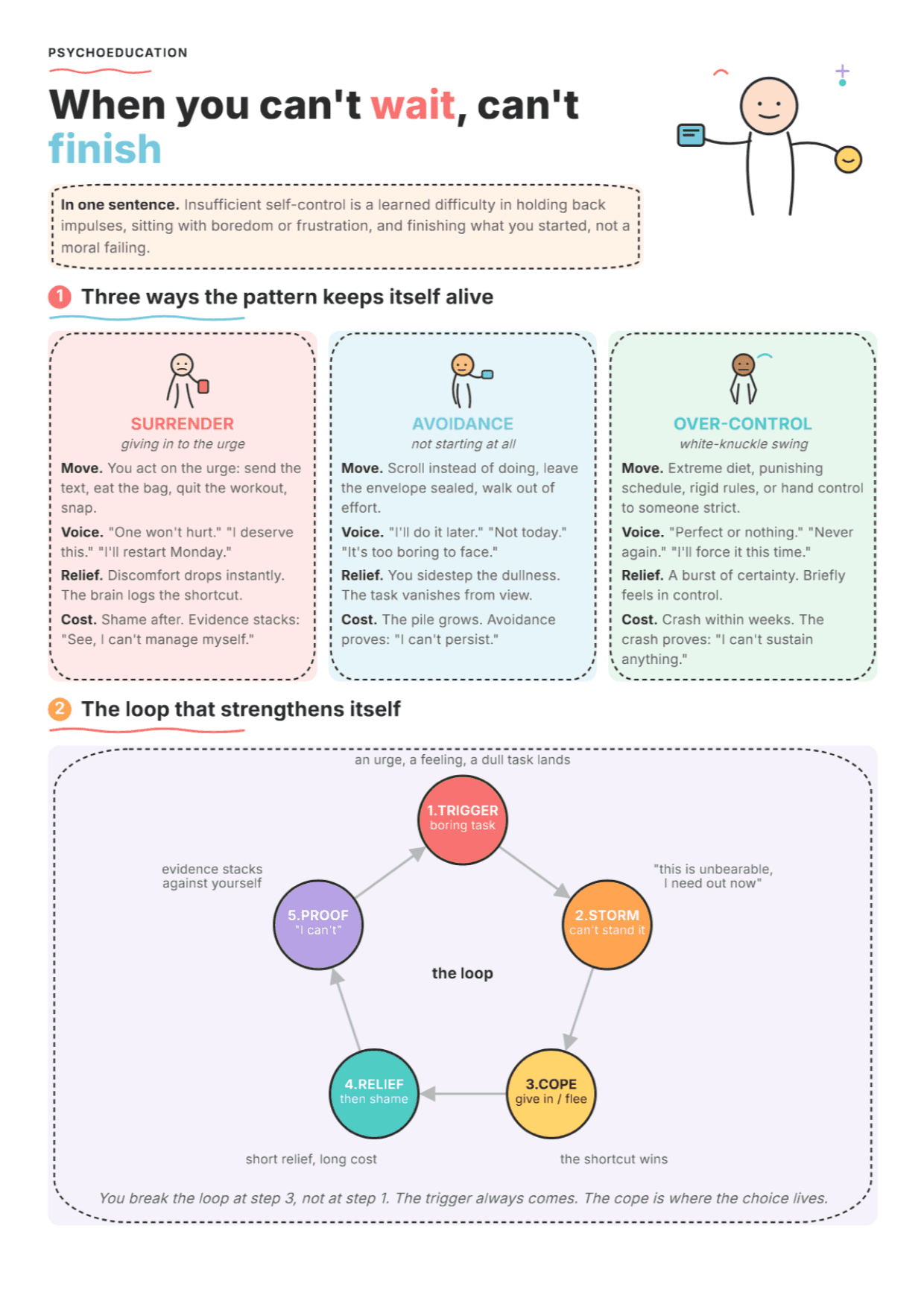
Handout
Insufficient Self-Control Schema: PDF Worksheet, Tools and Exercises
A printable PDF worksheet with visual tools and clinical exercises to explain the insufficient self-control schema, map the maintenance loop, and support behavior change in session.
Emotions & stressBehaviours & addictions
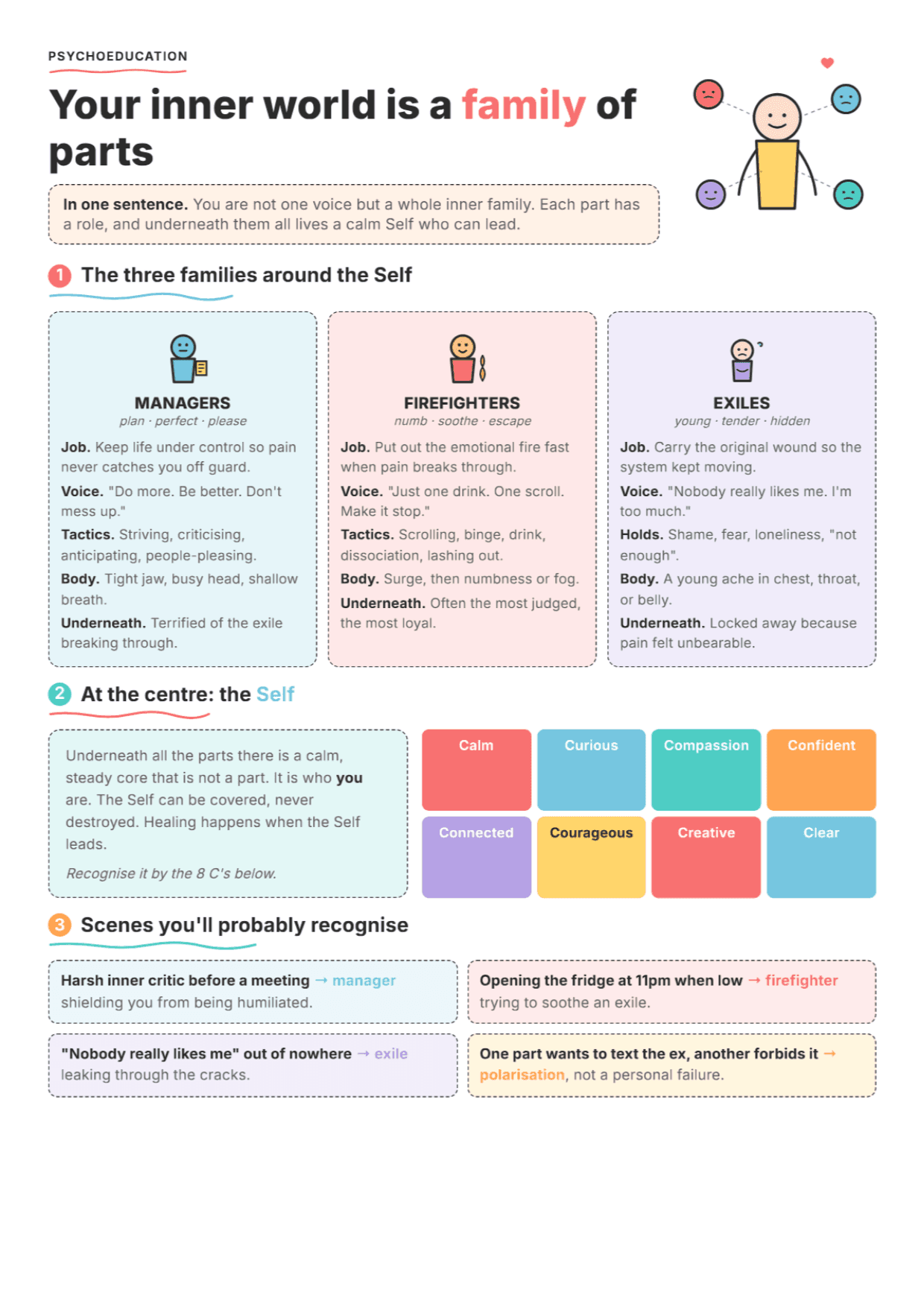
Handout
Internal Family Systems (IFS) Therapy: PDF Worksheet, Tools and Exercises
A printable PDF worksheet, clinical tools, and psychoeducation exercises to explain IFS parts, the Self, and inner multiplicity clearly in session.
Trauma & PTSDMood & depression
Feature
Introspection Prompts: Guided Writing for Therapeutic Reflection
A structured library of open questions across twenty-plus themes to sustain between-session narrative work and meaning-making.
AnxietyMood & depression
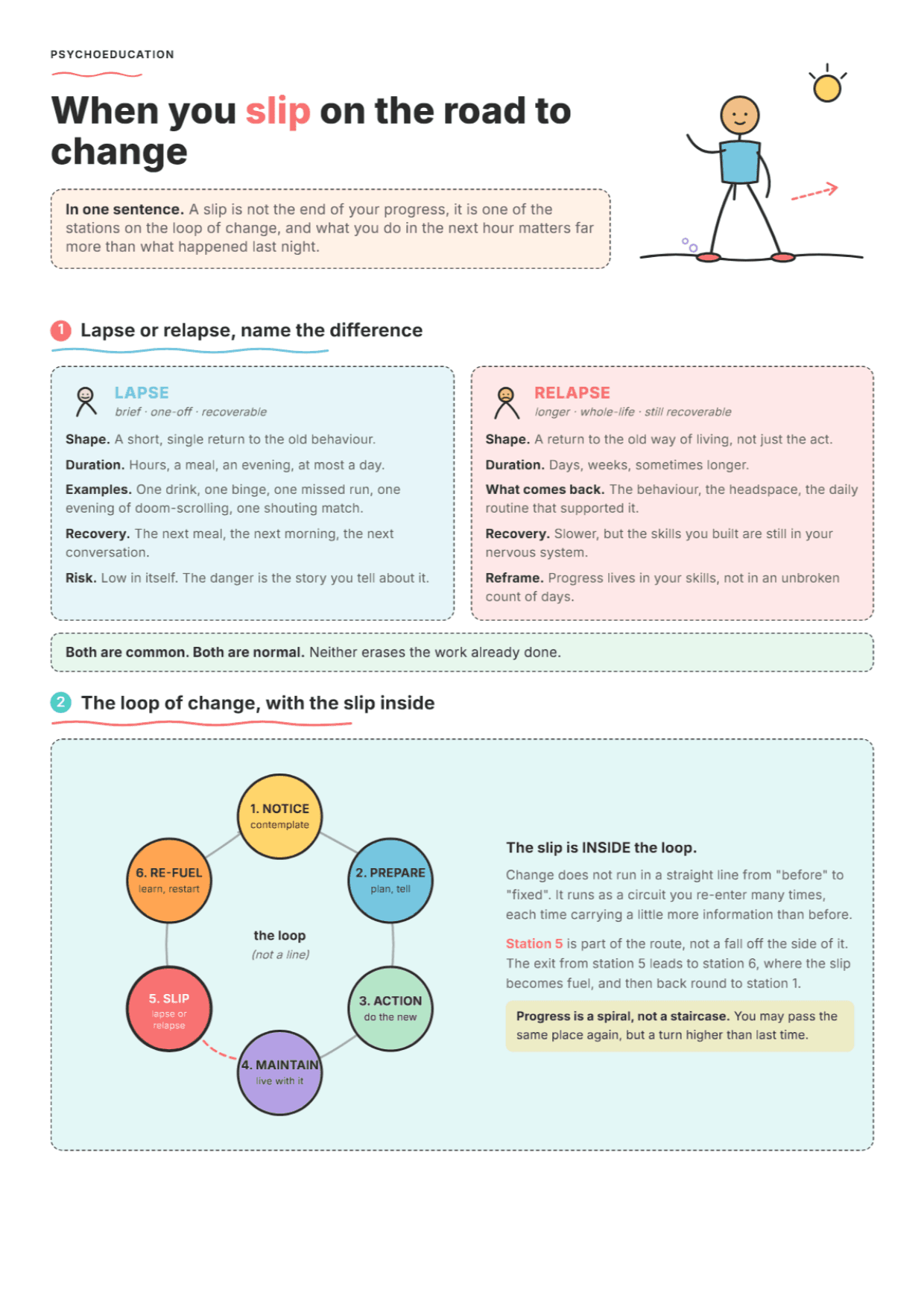
Handout
Lapse and Relapse Management: PDF Worksheet, Tools and Exercises
A visual PDF worksheet, clinical tools, and structured exercises to help patients distinguish a lapse from a relapse and turn a slip into a learning moment.
Behaviours & addictionsMood & depression
Handout
Marlatt & Gordon's Relapse Model: PDF Worksheet, Tools and Exercises
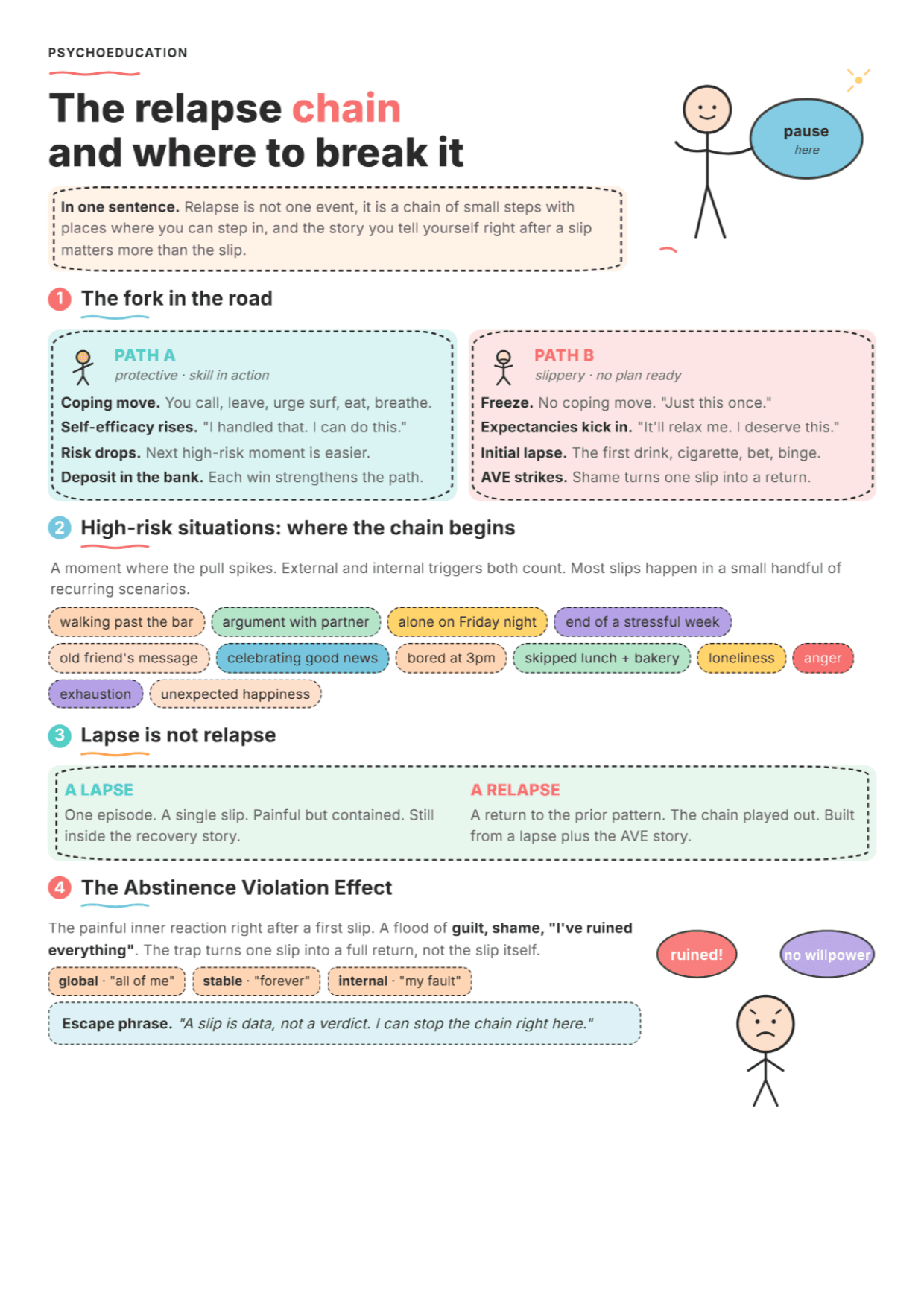
A visual PDF worksheet to make the relapse chain, the AVE, and coping planning concrete and usable in a single session.
Behaviours & addictionsMood & depression
Handout
Mental Health Benefits of Exercise: PDF Worksheet, Tools and Exercises
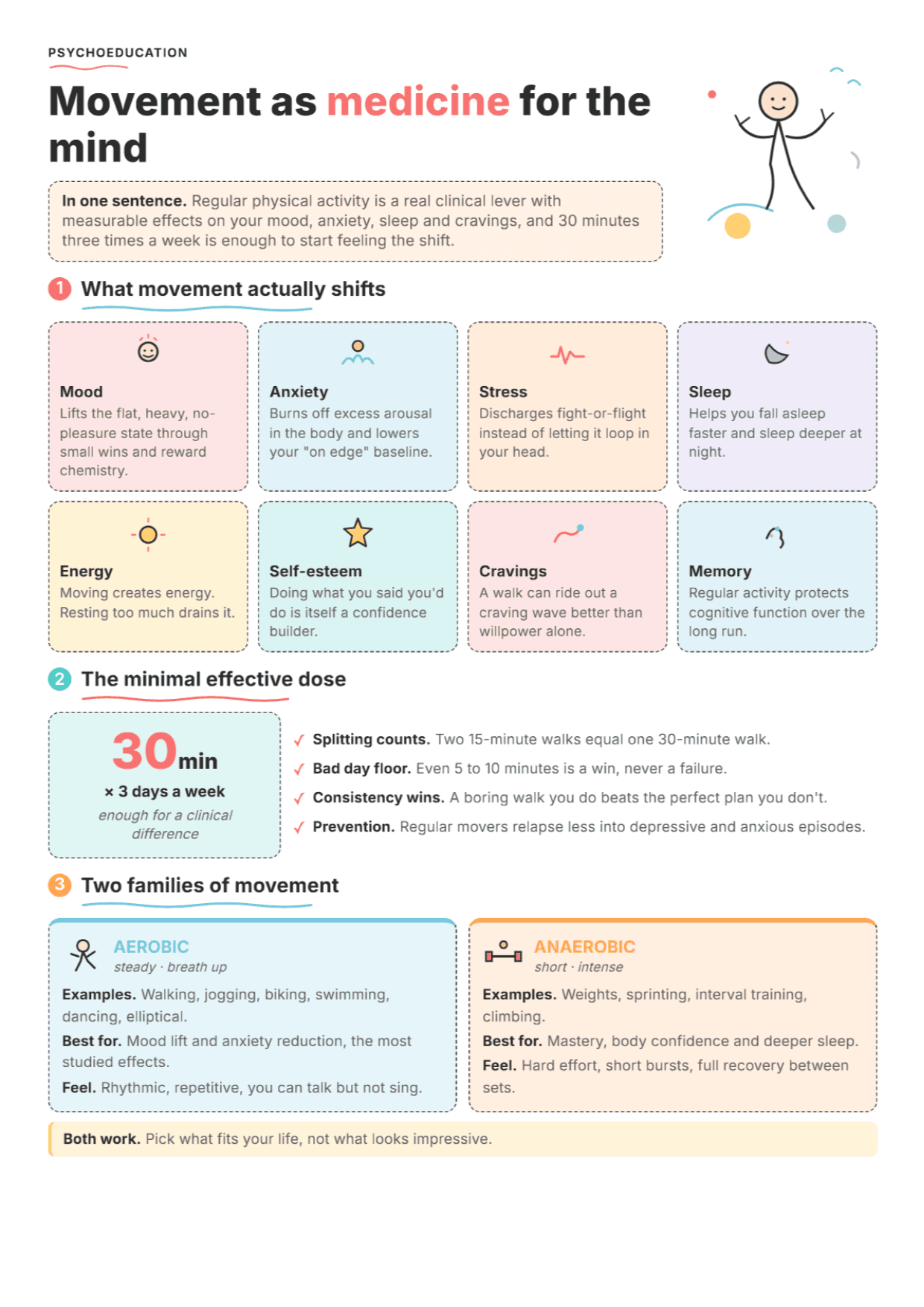
A structured PDF worksheet and visual psychoeducation tools to reframe exercise as a clinical lever, with exercises and discussion prompts for in-session use.
Mood & depressionAnxiety
Handout
Motivation and Ambivalence: PDF Worksheet, Tools and Exercises
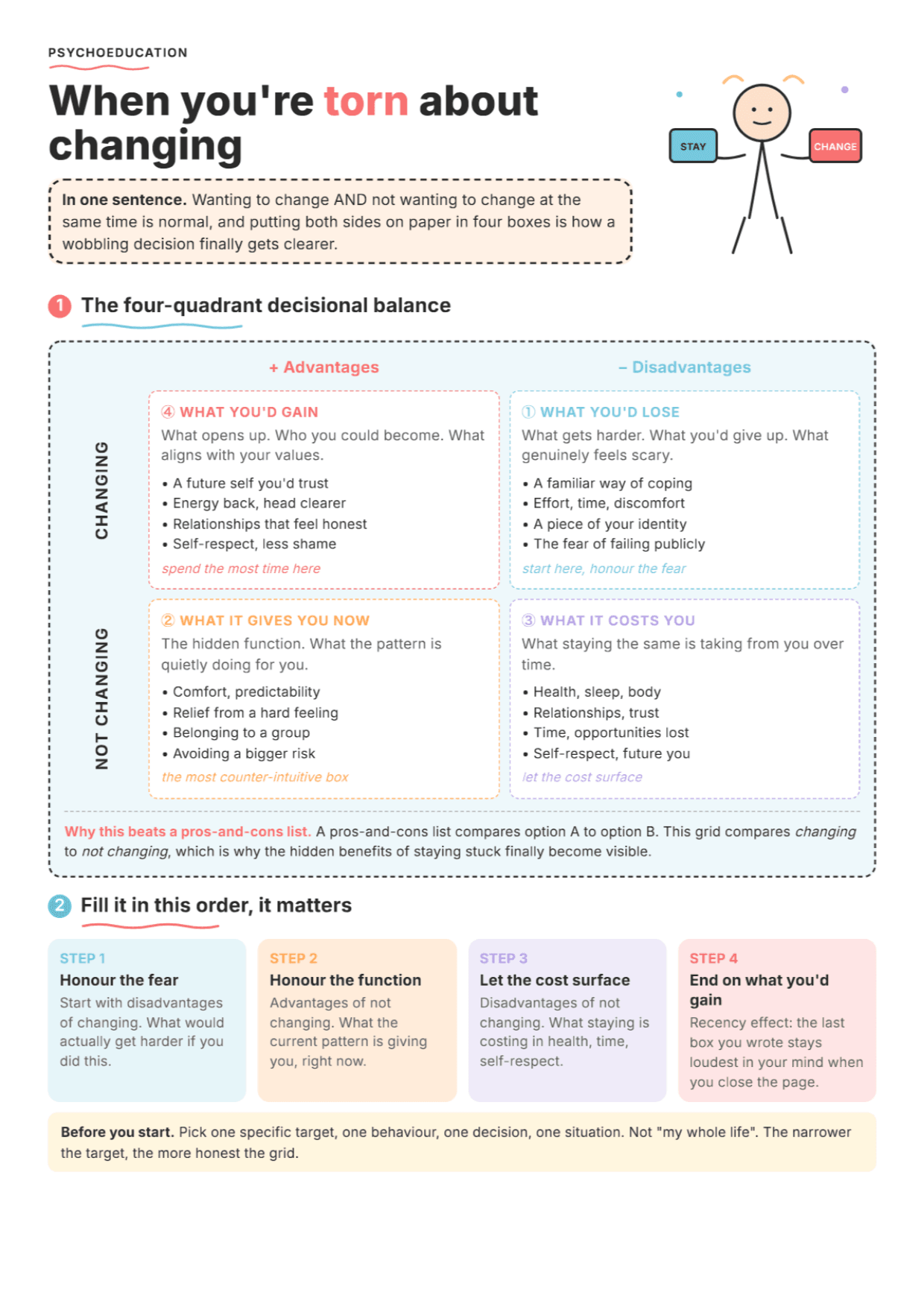
A structured four-quadrant PDF worksheet to help clinicians make ambivalence visible, name the hidden function of staying stuck, and move patients toward a clearer decision in session.
Behaviours & addictionsEmotions & stress
Handout
Noticing an Exile (IFS): PDF Worksheet, Tools and Exercises
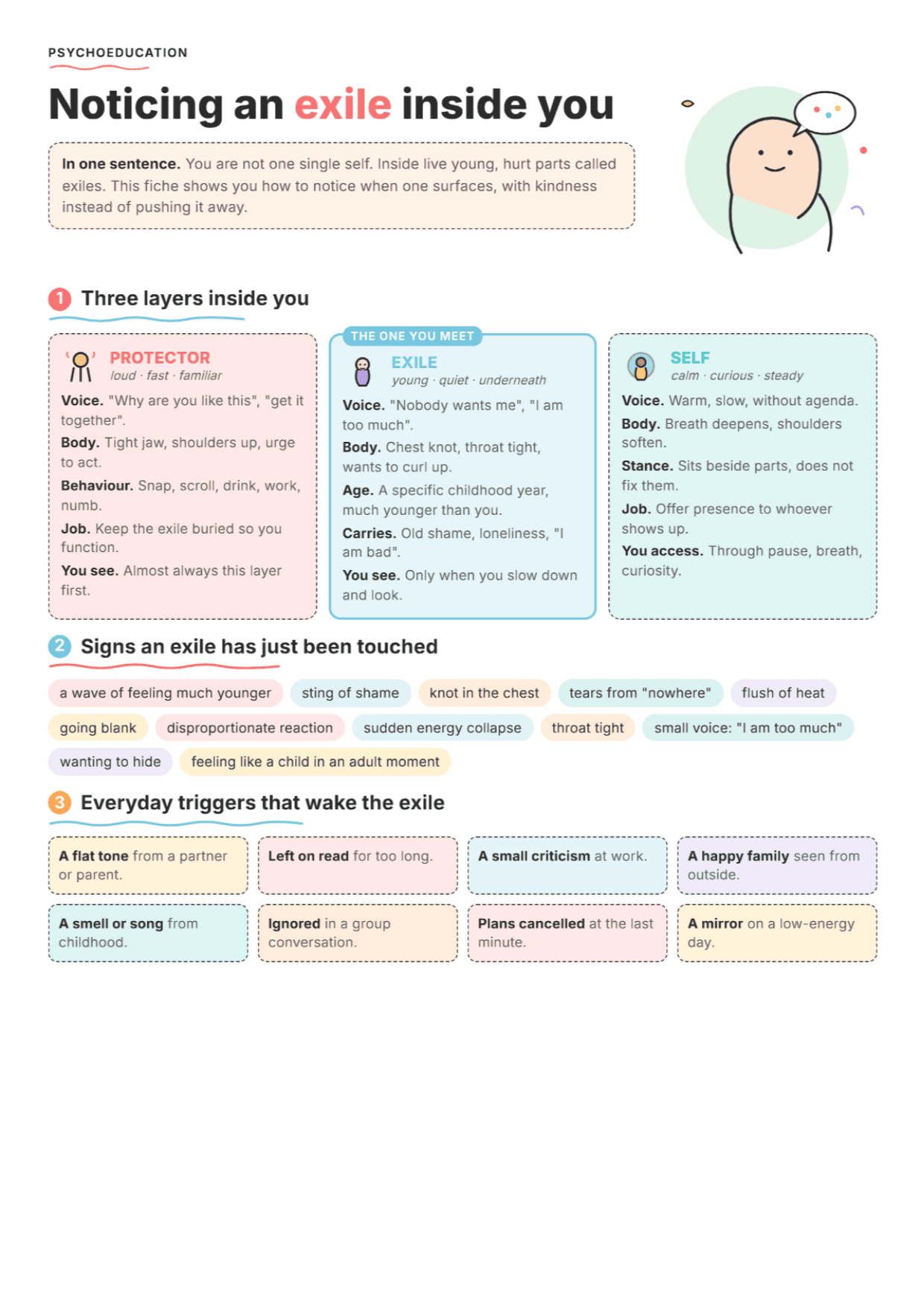
A visual psychoeducation tool and structured exercises to help clinicians introduce exiles, protectors, and Self-energy in IFS-informed sessions.
Trauma & PTSDAnxiety