
Prevention in Mental Health: Clinical Resources for Practice
Prevention, as a therapeutic aim, encompasses the full spectrum of clinical strategies designed to reduce the onset, recurrence, or deterioration of mental health conditions, from early psychoeducation through relapse prevention protocols and tertiary maintenance work. This category brings together printable worksheets, psychoeducation sheets, structured exercises, programs, and guided audio recordings selected for their utility in preventive clinical work across a range of presentations and settings. The resources here are intended for use by trained clinicians, whether in individual therapy, group formats, or interdisciplinary care pathways. This page frames the conceptual and practical scope of prevention as a therapeutic aim, and orients you to the types of tools that support this work at each level of intervention.

Defining the Preventive Stance in Psychotherapy
Prevention as a clinical aim is not synonymous with simple risk avoidance. In psychotherapy and psychiatric care, it refers to a deliberate, structured orientation of the treatment toward reducing the probability of adverse outcomes: a first episode, a symptomatic relapse, a functional decline, or the secondary complications that consolidate a disorder over time. This aim exists alongside, and sometimes in tension with, curative or palliative goals, and it requires the clinician to maintain a prospective gaze while attending to the patient's current state.
The classical public health tripartite framework maps well onto clinical practice. Primary prevention targets individuals who have not yet developed a disorder but carry known risk factors; secondary prevention focuses on early intervention once subclinical signs are present; tertiary prevention aims to limit the chronicity and functional impact of an established condition. Each level calls for distinct tools, different timing within the care trajectory, and a specific way of framing goals with the patient.
The Mechanism of Preventive Action in Psychological Care
Preventive interventions act through several distinct mechanisms. Psychoeducation increases the patient's capacity to identify early warning signs and reduces the delay before help-seeking. Skill acquisition, whether in emotional regulation, problem-solving, or interpersonal communication, builds psychological resources that buffer against future stress. Cognitive restructuring work targets the dysfunctional belief systems that, left unaddressed, predispose to relapse under load. Behavioral activation protocols interrupt the withdrawal and avoidance cycles that, over time, consolidate depressive or anxious presentations.
The common thread is that preventive interventions explicitly target the future. The therapeutic contract therefore requires that both clinician and patient share a representation of risk: what the patient is at risk of, what the warning signs look like, and what response is expected. Without this shared representation, prevention-focused tools are experienced as abstract or poorly motivated.
Identifying the Preventive Need in Consultation
Clinical Signs That Signal a Preventive Priority
The preventive aim becomes clinically salient in several distinct situations. Recurrence history is the most reliable indicator: a patient presenting with a second or third depressive episode, a second manic episode, or a repeated burnout is, statistically, at substantially elevated risk of further episodes. This history should prompt the clinician to systematically incorporate relapse prevention components, even when the current presentation is acute and the immediate priority is symptom relief.
Sub-threshold presentations, sometimes called prodromal states, are a second major indication. A patient who describes sleep disruption, social withdrawal, and concentration difficulties without meeting full diagnostic criteria may be traversing a critical window in which preventive intervention carries its highest potential yield. Psychoeducation about the trajectory of the condition and early-warning sign mapping are particularly well placed here.
Risk Stratification and Prioritisation
Not all patients carry the same preventive need, and clinical resources are finite. A pragmatic risk stratification considers: chronicity and recurrence of past episodes, presence of residual symptoms between episodes, quality of social and occupational functioning, presence of complicating comorbidities (particularly substance use, chronic pain, or personality pathology), and the patient's own insight into their vulnerability. These factors together inform how intensively prevention work should be pursued and at which point in the care plan it is introduced.
> A 38-year-old presenting with a third major depressive episode had responded well twice before to short-term CBT but discontinued follow-up each time when symptoms remitted. In the current treatment, the first six sessions addressed the acute presentation; from session seven onward, the focus shifted explicitly to relapse prevention: constructing a personalised early-warning sign hierarchy, mapping triggers, and building a written action plan the patient agreed to keep accessible. At discharge, the patient could articulate a specific, graded response protocol rather than a vague intention to "seek help if things get bad again."
Comorbidities and Differential Considerations in Preventive Work
When Prevention Intersects with Chronicity
Comorbidity substantially complicates preventive planning. A patient with a primary anxiety disorder and comorbid hazardous alcohol use presents a prevention challenge that cannot be addressed by targeting either condition in isolation: relapse in one domain reliably triggers deterioration in the other. The clinician must assess which condition is functionally primary, sequence interventions accordingly, and ensure that the preventive tools selected address the interaction rather than each disorder in isolation.
Personality pathology warrants particular attention. Cluster B traits, especially in borderline presentations, can undermine the stability of any preventive gains achieved in symptom-focused work. Here, skills consolidation (as in dialectical behavior therapy maintenance modules) and explicit work on the interpersonal patterns that generate crisis are themselves primary prevention strategies for psychiatric hospitalisation, self-harm recurrence, and acute suicidal crises.
Distinguishing Prevention from Maintenance Treatment
Clinicians sometimes conflate maintenance treatment (sustaining pharmacological or psychotherapeutic intervention beyond symptom remission to prevent recurrence) with prevention as a broader clinical aim. The distinction matters for resource allocation and patient communication. Maintenance is a specific clinical decision, typically protocol-driven and time-defined. Prevention, as framed here, is a wider therapeutic orientation that includes maintenance but also encompasses psychoeducation, skills building, environmental modification, and the strengthening of social supports, all of which operate independently of whether a formal maintenance protocol is in place.
Prevention-Focused Resources: Types and Clinical Rationale
Psychoeducation Sheets and Worksheets
Printable psychoeducation resources are the workhorses of preventive clinical work. Their function is to externalise and make concrete the knowledge the patient needs to act preventively on their own behalf. A well-designed psychoeducation sheet on the prodromal signs of a manic episode, for instance, does not merely convey information; it provides a shared reference object that can anchor the therapeutic conversation across sessions, be reviewed by the patient independently, and be shared with a trusted family member or carer.
Structured worksheets serve a related but distinct function. Where psychoeducation sheets build knowledge, worksheets build applied skill: the capacity to monitor mood, identify triggers, challenge automatic thoughts, or plan a behavioral response to a warning sign. The value of the printed format is its portability and its signal quality. A worksheet the patient physically completes and carries constitutes a behavioral commitment that a verbal discussion alone does not.
Guided Exercises and Audio Programs
Prevention work frequently targets the maintenance of skills acquired during active treatment phases: mindfulness-based relapse prevention, breathing regulation, progressive muscle relaxation, and similar practices. Guided audio recordings are particularly well suited to this aim, because they allow the patient to practice autonomously and consistently without requiring a clinician to be present. The printed accompanying material (instructions, tracking logs, reflection prompts) reinforces the audio content and supports between-session accountability.
Structured programs, when they follow a defined sequence of steps, also carry a preventive logic by building cumulative skill in a specified order:
- Psychoeducation about the target condition and its trajectory.
- Self-monitoring of early warning signs and triggers.
- Acquisition of specific coping or regulation skills.
- Application of these skills to personally relevant scenarios.
- Consolidation and planning for post-treatment maintenance.
- Construction of a personalised written action plan or safety plan.
This sequence is broadly applicable across conditions and can be instantiated with different specific materials depending on the diagnostic context.
Integrating Prevention Resources into the Care Plan
Sequencing Prevention Work Across the Treatment Arc
One of the most common clinical errors in preventive work is introducing prevention-focused tools too early in the treatment arc, before the patient has adequate symptomatic relief and a sufficient therapeutic alliance to engage with future-oriented thinking. A patient in acute crisis is not yet in a position to map early warning signs; the cognitive and emotional resources required for this work are not available. Timing matters: prevention tasks typically belong to the middle and late phases of treatment, once the acute presentation has stabilised.
The transition from symptom-focused work to prevention-focused work benefits from an explicit reframing in session. Naming the shift, articulating why it matters now, and collaboratively setting preventive goals increases patient buy-in and reduces the risk that the prevention phase is experienced as a bureaucratic formality rather than a meaningful clinical priority.
Documentation and Between-Session Use
Printable prevention resources carry their full value only when they are integrated into the session rather than simply distributed. A psychoeducation sheet introduced in session, discussed, personalised with the patient's own examples, and reviewed the following session functions very differently from the same sheet handed over at discharge. The clinician's role is to make the document a living clinical artefact: referenced, annotated, and updated as the patient's self-knowledge develops.
Between-session use should be negotiated explicitly, framed as a clinical task with a specific timeframe and a defined return point, not as optional supplementary reading.
Points of Vigilance and Clinical Limits
When Prevention-Focused Work Carries Risk
Not all preventive framing is benign. For patients with health anxiety or elevated harm-avoidance, extensive early-warning sign monitoring can iatrogenically amplify hypervigilance and body-checking behaviors. The clinician must calibrate the level of self-monitoring assigned, ensuring it serves anticipatory awareness rather than feeding a ruminative or anxious relationship with symptoms.
Similarly, in patients with a fragile sense of self-efficacy or a history of repeated treatment failure, extensive focus on relapse prevention can inadvertently reinforce the expectation of relapse, undermining the therapeutic work. Prevention framing should be balanced with a genuine emphasis on recovery, growth, and the patient's demonstrated capacity for change.
Limits of the Printable Format
Printable and audio resources, however carefully designed, are not therapeutic interventions in themselves. They are tools that derive their clinical value from the relational and procedural context in which they are used. A worksheet cannot replace case formulation, and a psychoeducation sheet cannot replace informed consent to a treatment plan. Clinicians are encouraged to regard these materials as adjuncts to, not substitutes for, the core clinical work, and to select them in accordance with the specific formulation of each individual patient.
Attention should also be given to literacy, language, and digital access barriers. Prevention resources printed in standard clinical language may be poorly accessible to patients with low health literacy, cognitive difficulties, or limited familiarity with therapeutic frameworks. Adaptation, verbal review in session, and the use of simplified companion materials may be necessary to ensure genuine engagement.
Tools in this category
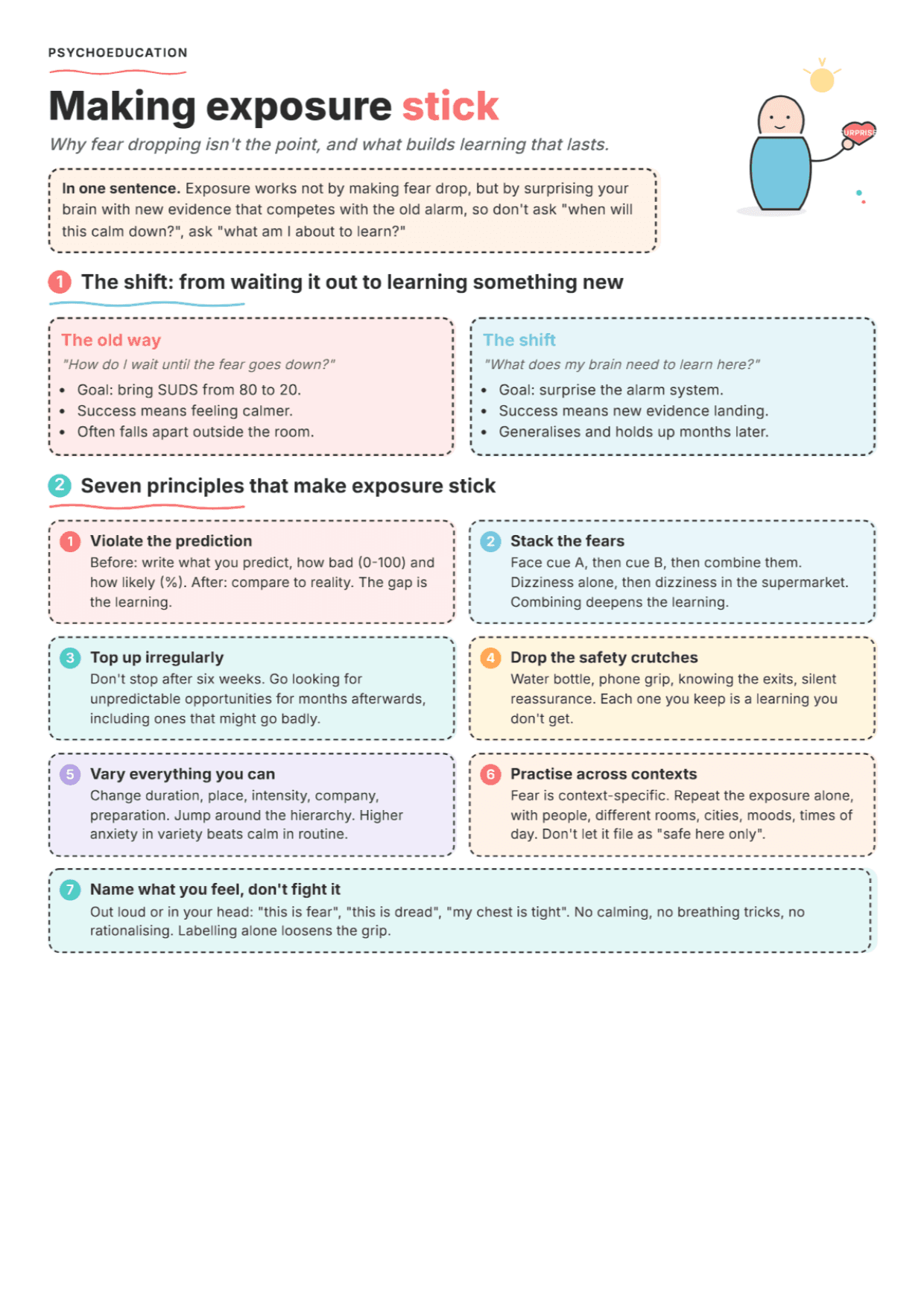
Handout
Exposure Therapy Effectiveness: PDF Worksheet, Tools and Exercises
A visual psychoeducation fiche to shift patients from waiting out fear to actively building inhibitory learning during exposure work, ready to use in session.
Anxiety
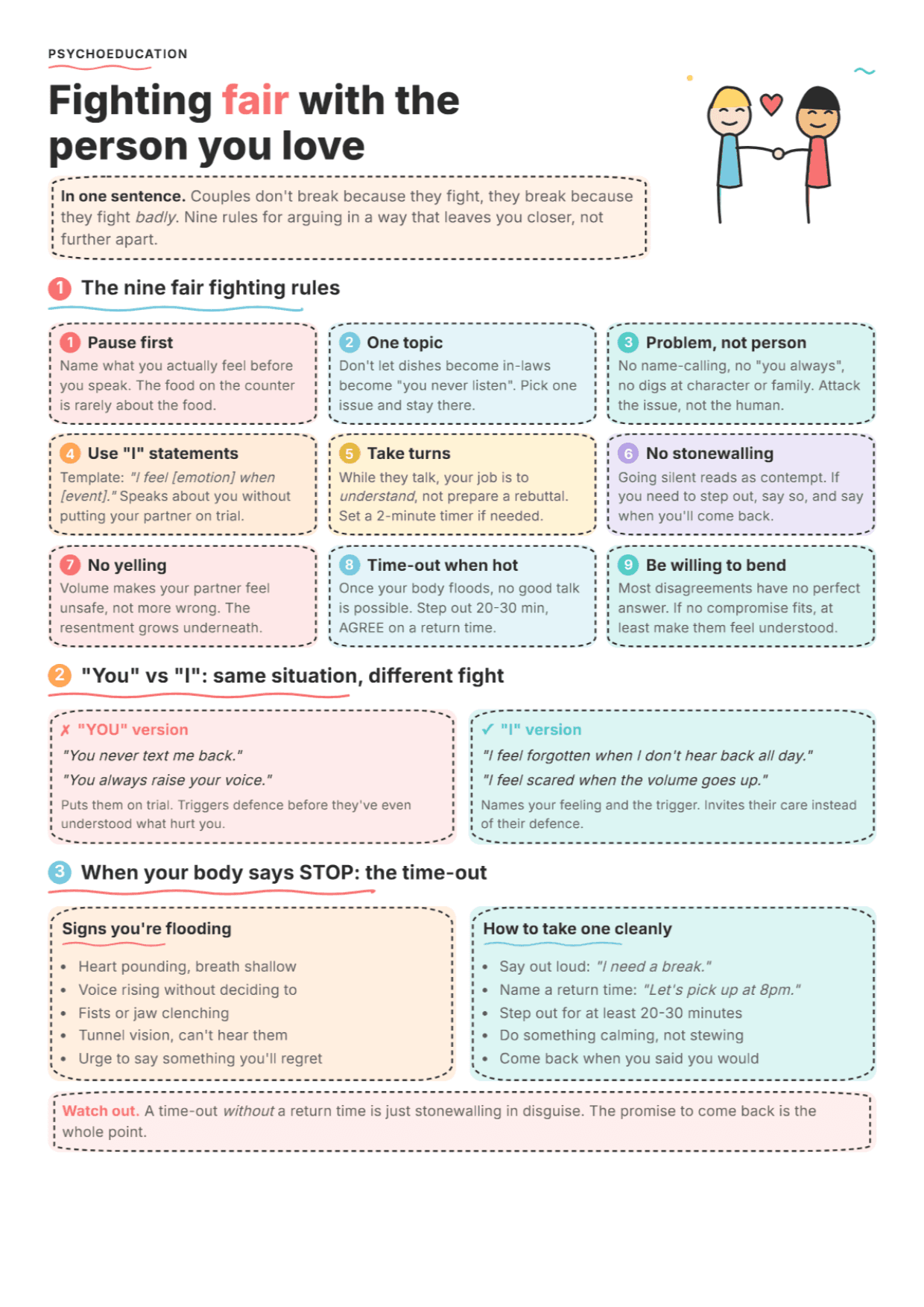
Handout
Fair Fighting Rules: PDF Worksheet, Tools and Exercises for Clinical Practice
A visual psychoeducation fiche to help clinicians explain constructive conflict to couples, nine concrete rules, a "you vs. I" contrast panel, and a physiological time-out protocol, ready to use in session.
Relationships
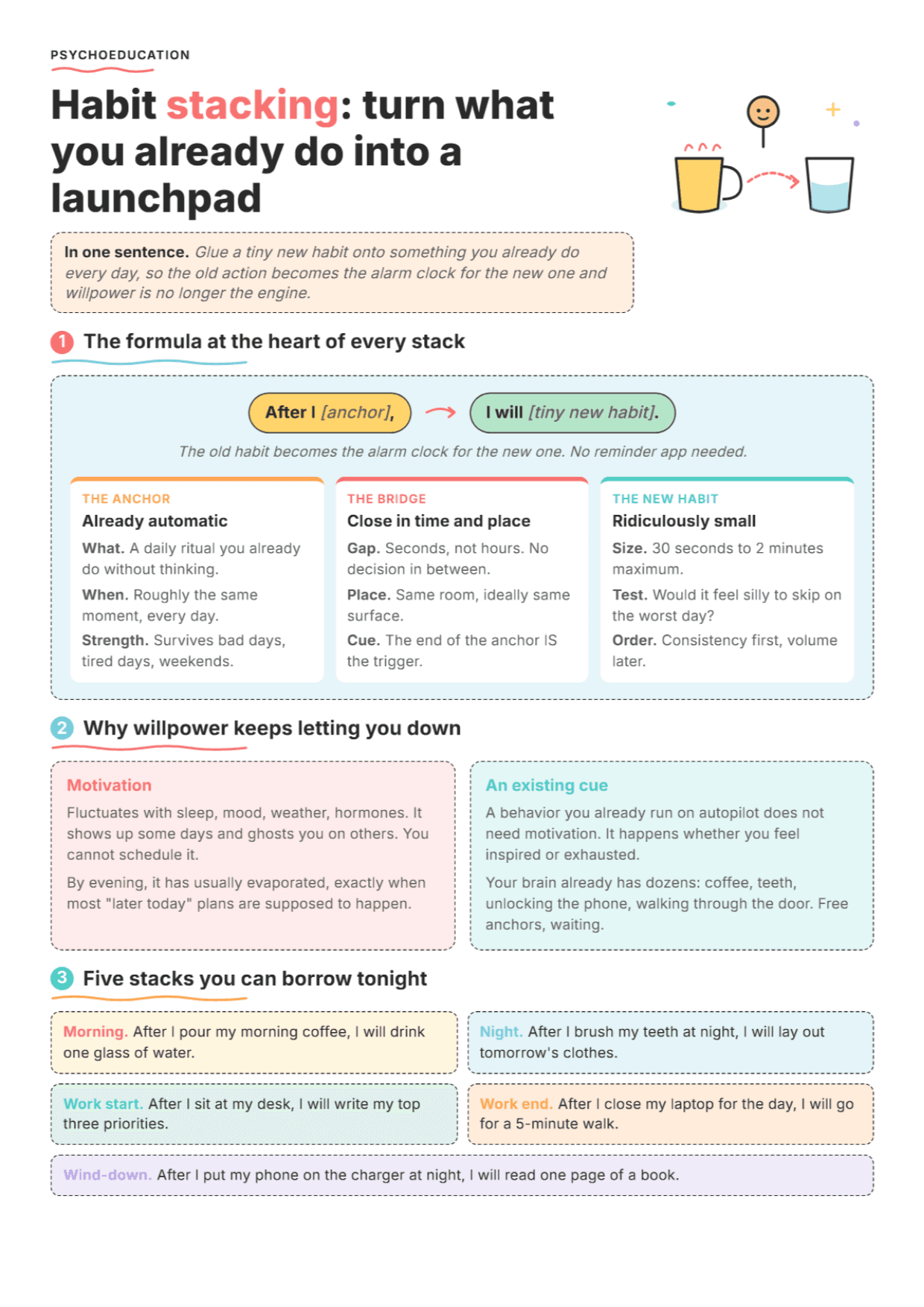
Handout
Healthy Habit Plan: PDF Worksheet, Tools and Exercises
A printable PDF worksheet and visual psychoeducation tool helping clinicians explain habit stacking, reduce willpower dependence, and build durable behavioral change with patients.
Behaviours & addictionsEmotions & stress
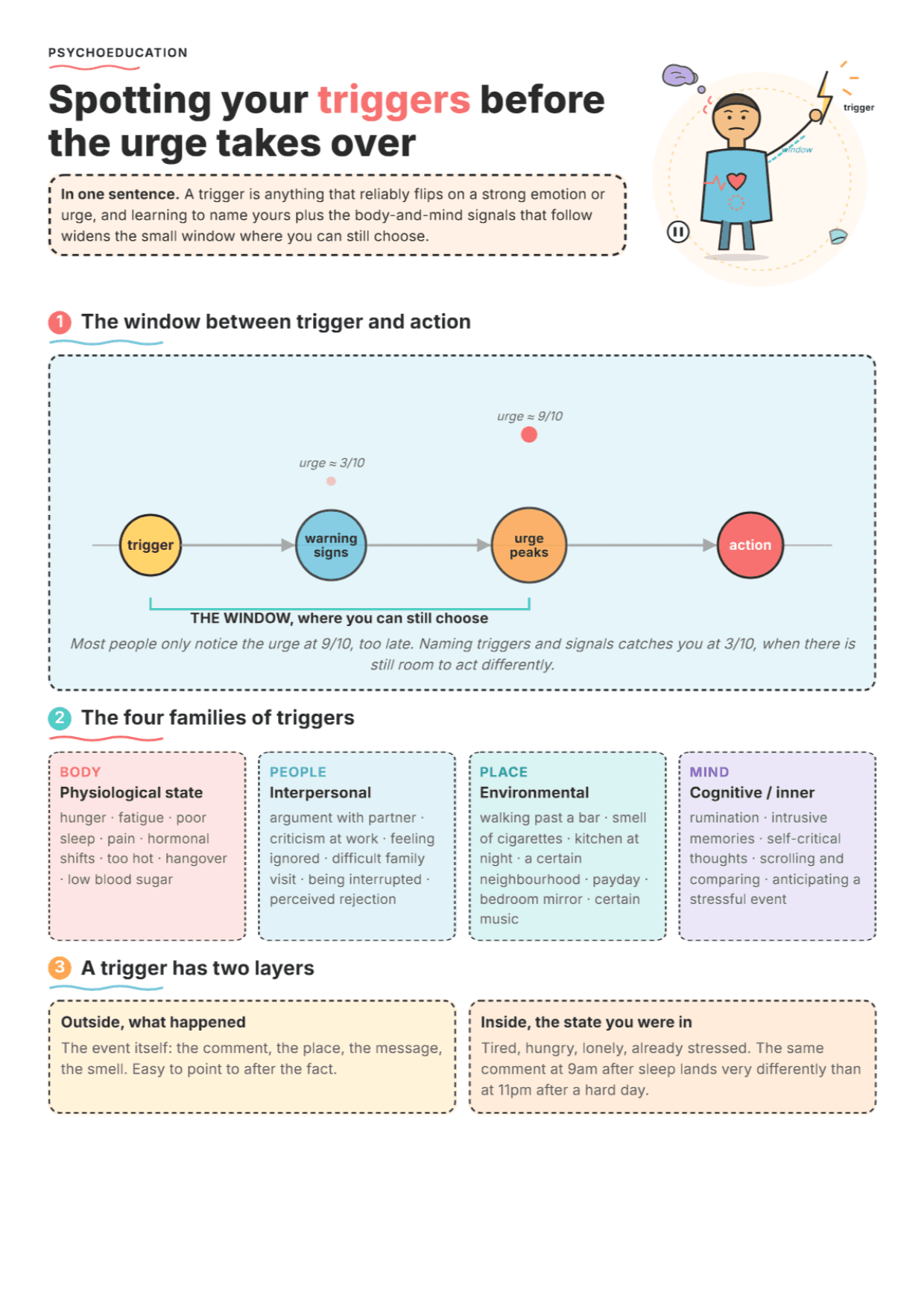
Handout
Identifying Emotional Triggers: PDF Worksheet, Tools and Exercises
A PDF worksheet and clinical tools to help patients map emotional triggers, widen the action window, and build early warning signal awareness in session.
Emotions & stressBehaviours & addictions
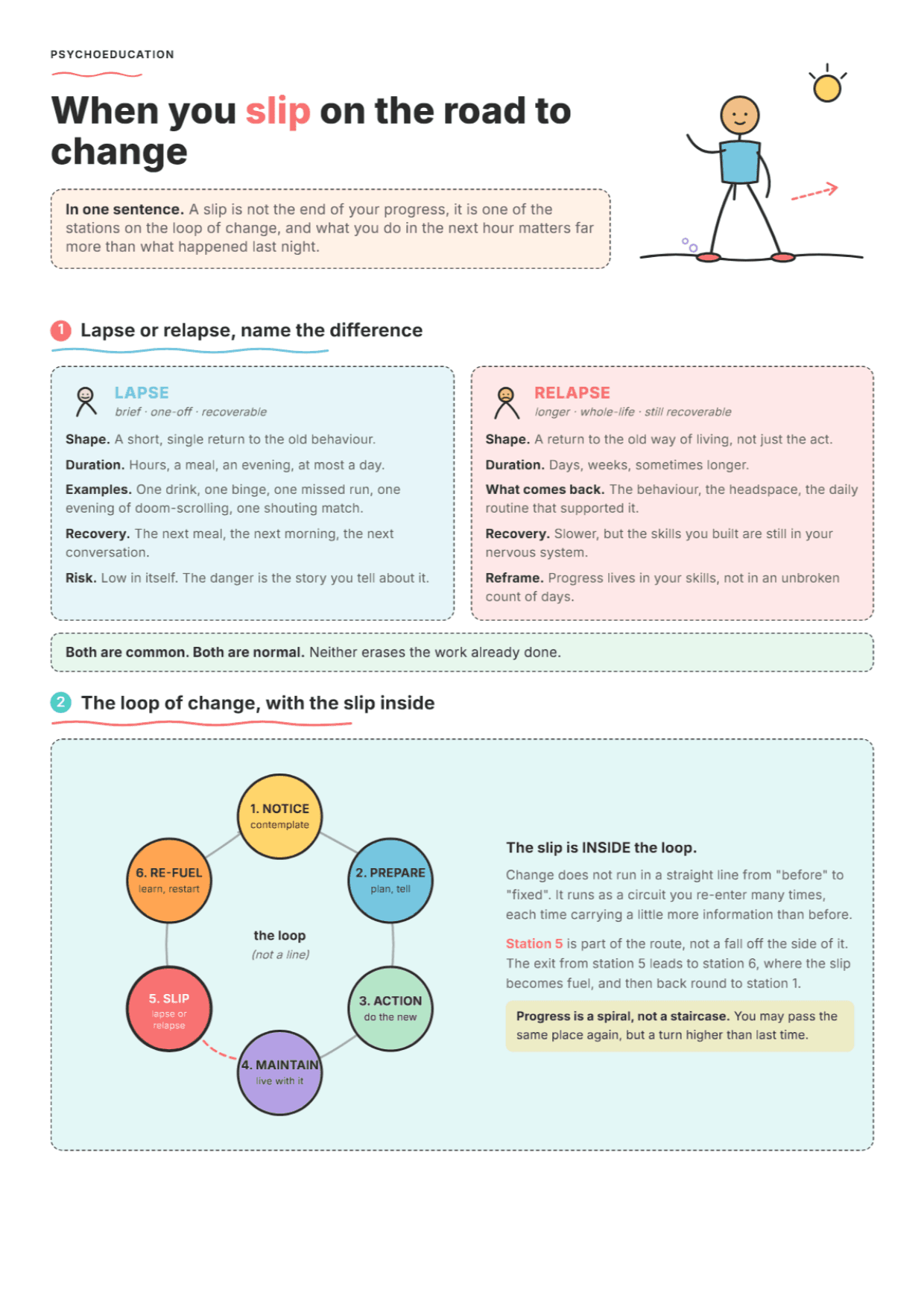
Handout
Lapse and Relapse Management: PDF Worksheet, Tools and Exercises
A visual PDF worksheet, clinical tools, and structured exercises to help patients distinguish a lapse from a relapse and turn a slip into a learning moment.
Behaviours & addictionsMood & depression
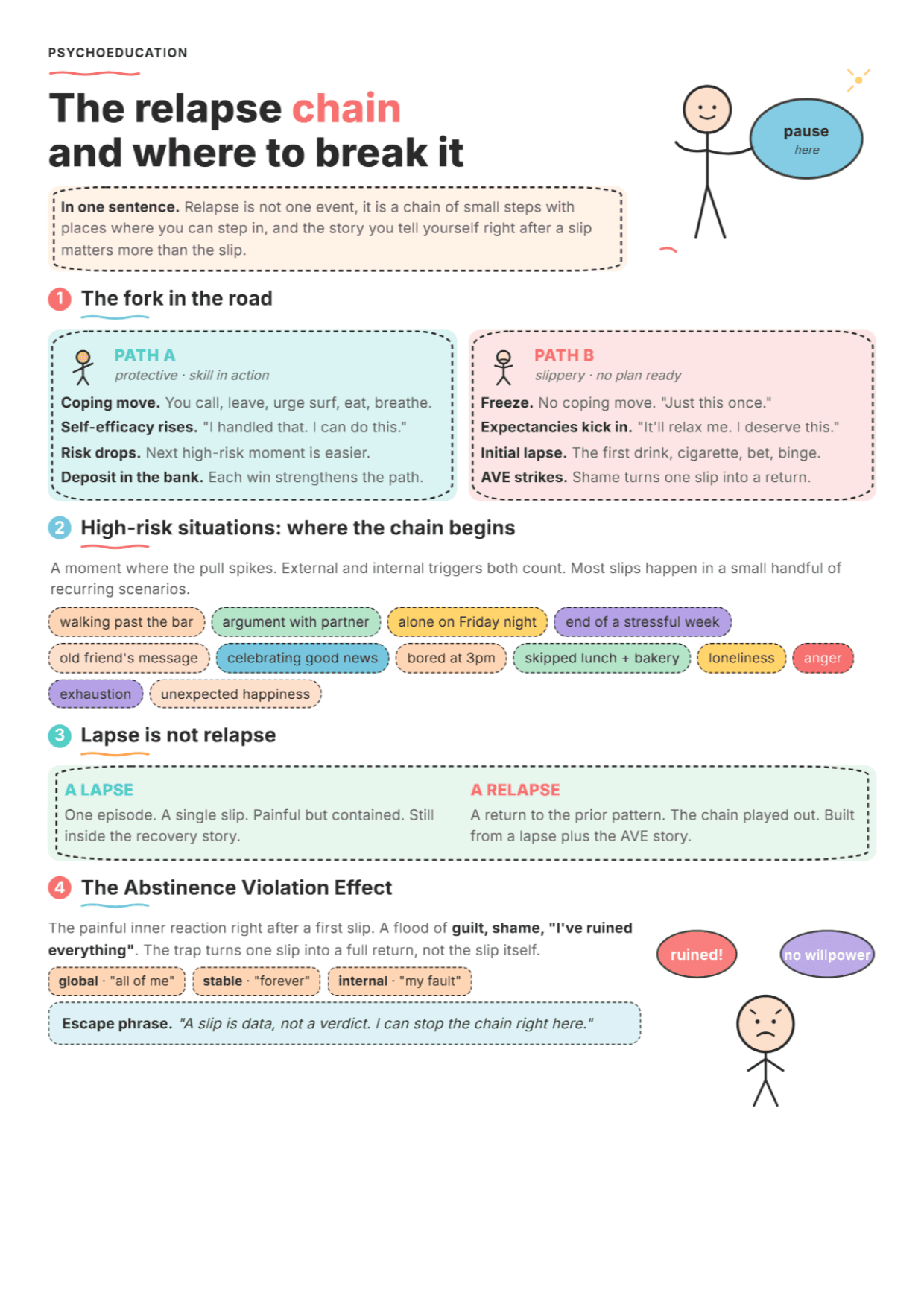
Handout
Marlatt & Gordon's Relapse Model: PDF Worksheet, Tools and Exercises
A visual PDF worksheet to make the relapse chain, the AVE, and coping planning concrete and usable in a single session.
Behaviours & addictionsMood & depression
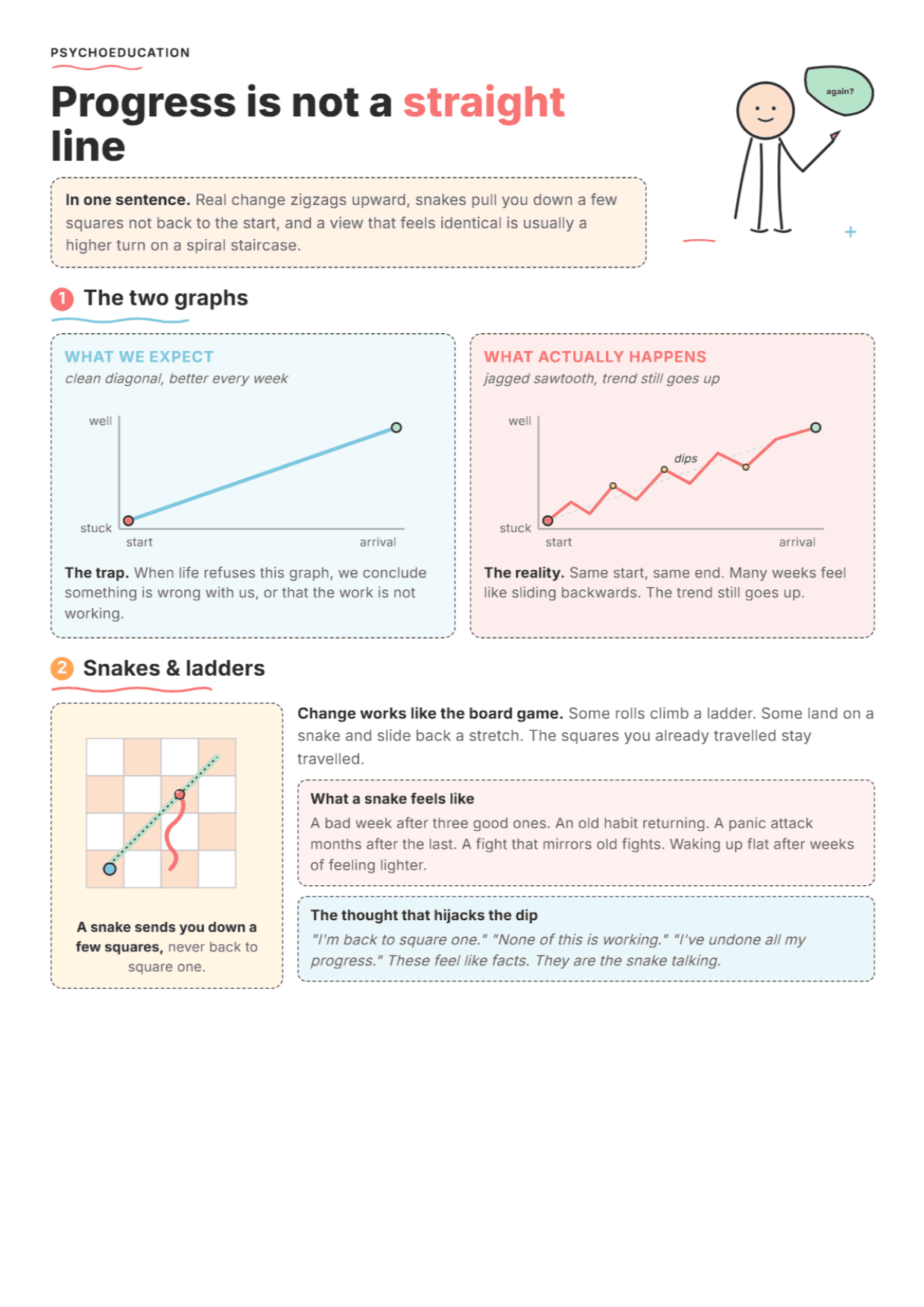
Handout
Progress in Therapy: PDF Worksheet, Tools and Exercises
A visual PDF worksheet, clinical tools, and exercises to help patients understand the non-linear nature of therapeutic progress and stay the course after setbacks.
Mood & depressionAnxiety
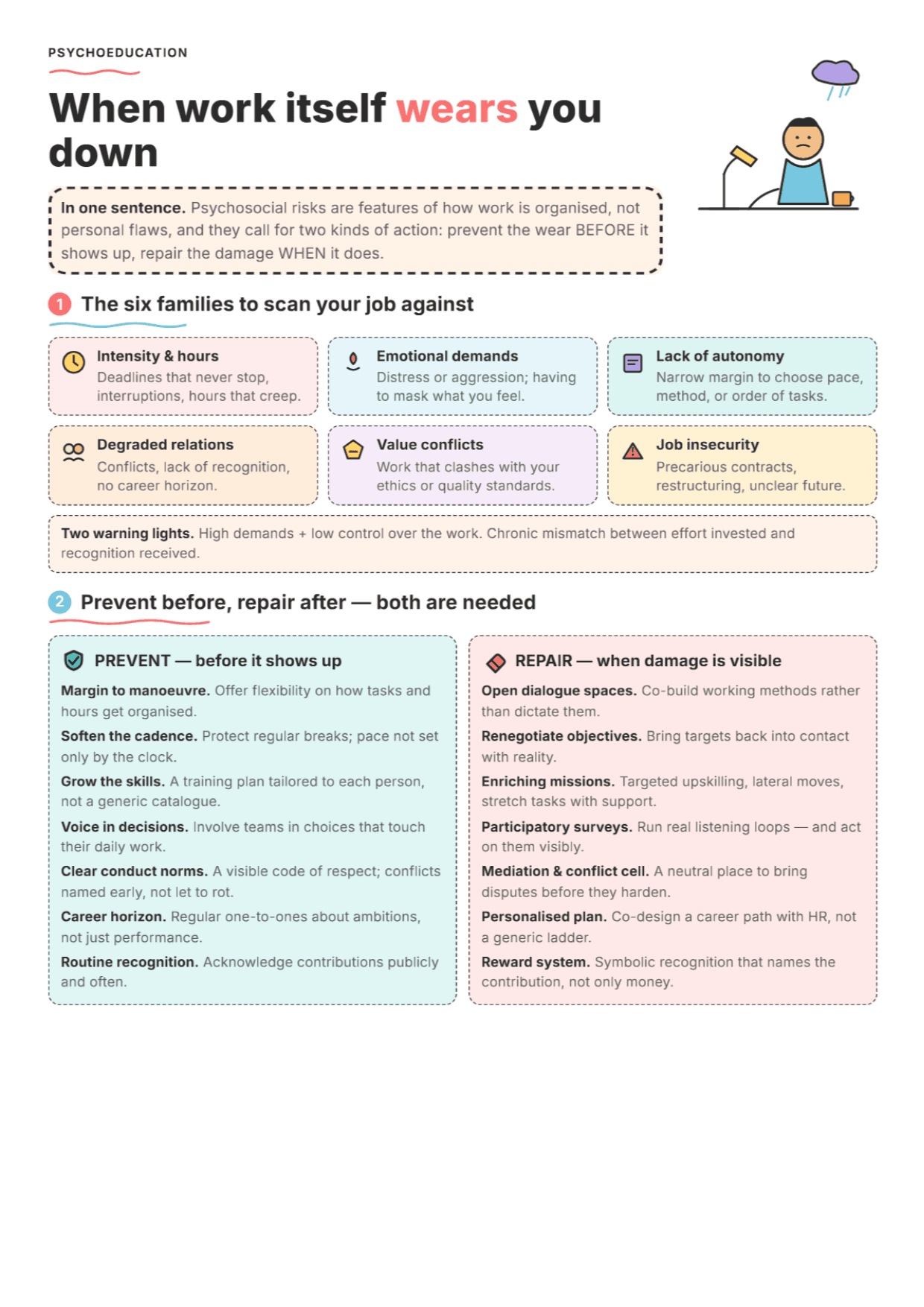
Handout
Psychosocial Risks at Work: PDF Worksheet, Tools and Exercises
A structured PDF worksheet with tools and exercises to explain psychosocial risks at work in session, help patients stop self-blaming, and map concrete prevention and repair levers.
Life transitionsEmotions & stress
Handout
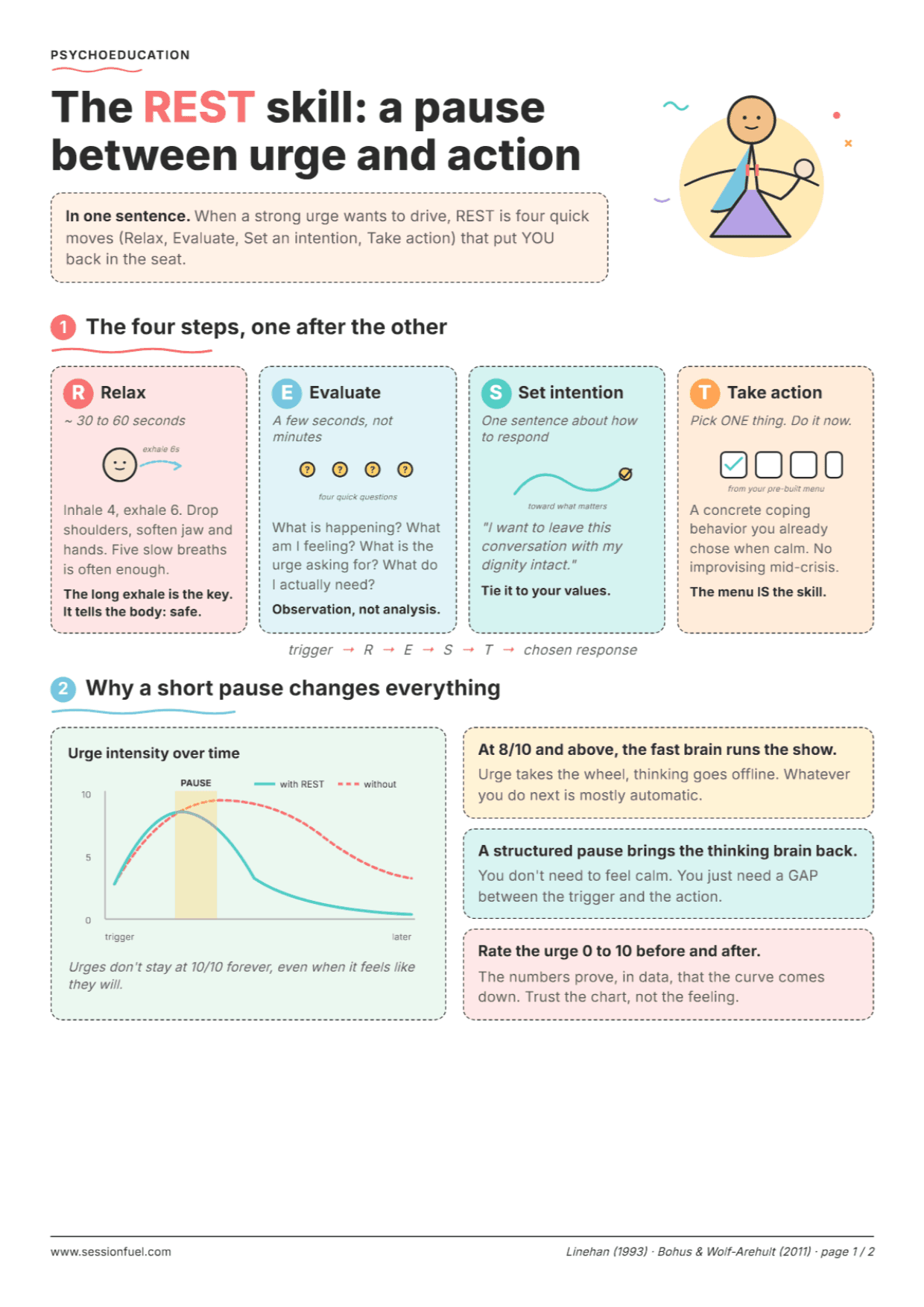
REST Distress Tolerance Skill: PDF Worksheet, Tools and Exercises
A visual PDF worksheet to help clinicians teach the REST distress tolerance skill in session, Relax, Evaluate, Set intention, Take action.
Emotions & stressBehaviours & addictions